ISO 14971 ISO (2019) is the standard for risk management of medical devices, and the MDR and, for high-risk systems, the EU AI Act (Art. 9) European Parliament and Council (2024) both expect a risk management system that runs from design until the tool is withdrawn. You open the risk management file now and keep adding to it in every later phase.
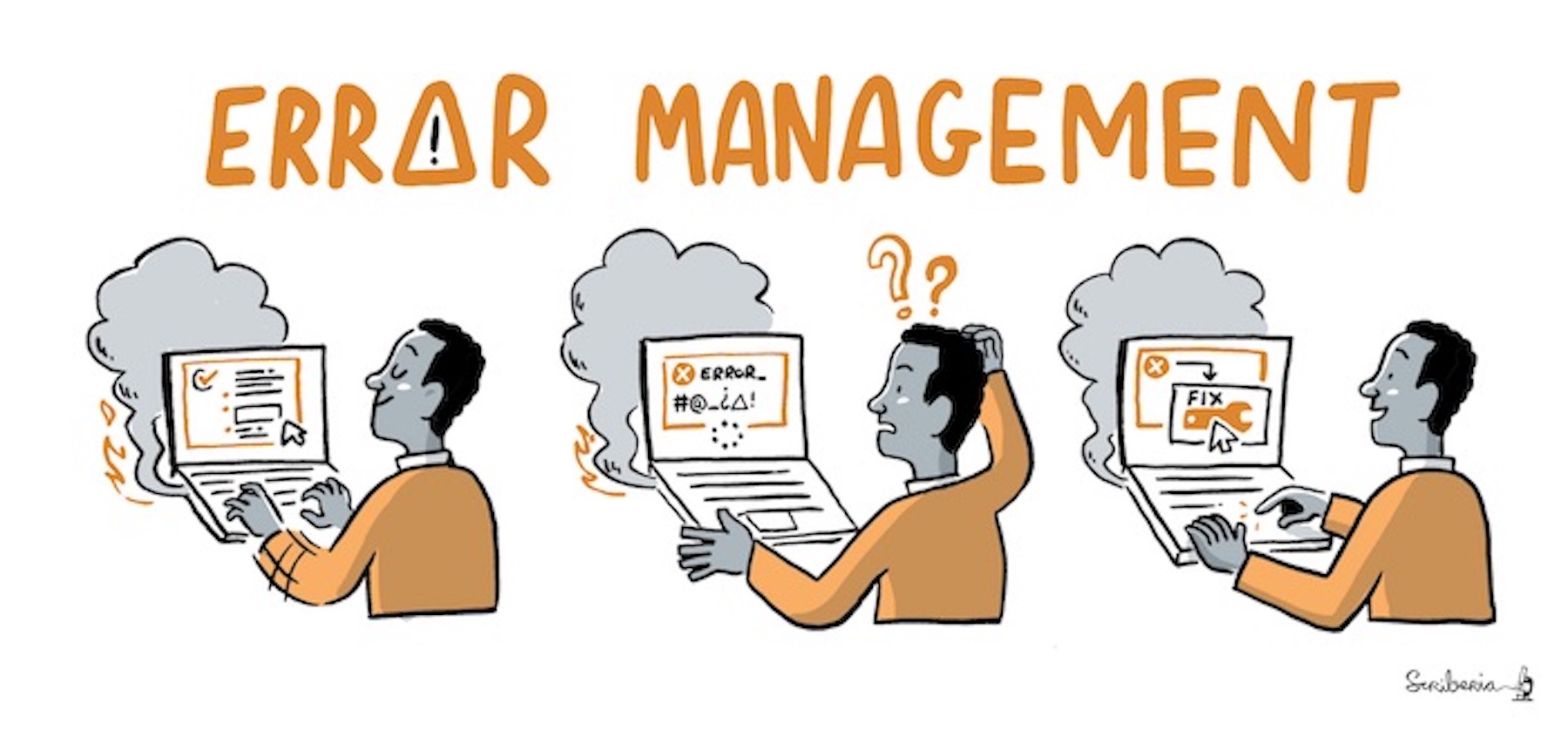
Figure 1:The Turing Way Community. This illustration is created by Scriberia with The Turing Way community, used under a CC-BY 4.0 licence. DOI: 10.5281/zenodo.3332807.
What is a risk in healthcare AI?
A risk combines how likely a harm is and how severe it would be. Harms from healthcare AI come in several kinds. Clinical harm follows from a wrong output: a missed diagnosis delays treatment, a false alarm leads to unnecessary tests. Fairness harm arises when the tool works worse for one group of patients. Privacy harm includes re-identifying patients from model outputs. Operational harm happens when the tool fails or is unavailable and disrupts care. And some harms build up slowly across the system, such as clinicians losing skills, or trusting the tool too much (automation bias).
The risk management process
1. Risk identification
List the clinical, technical, ethical and societal risks with the full interdisciplinary team. Developers see technical risks, clinicians see workflow risks, and ethicists and patients see risks that neither group would raise. Common entries are:
worse performance for under-represented groups
poor performance at new sites or with new equipment
drift: the data changes over time, so a model trained on older data performs worse on new patients
users not accepting the tool
sensitivity to noisy or manipulated inputs
data errors, such as a result linked to the wrong patient
use outside the intended scope
2. Risk assessment
Rate each risk for likelihood (for example very unlikely, possible, likely, almost certain) and for consequence (negligible, minor, moderate, severe, catastrophic). The combination gives the risk level and the order in which you address risks. Agree the scales and what counts as acceptable before you start rating.
3. Risk mitigation
For each risk above the acceptable level, decide how to reduce it and at which stage. During development, that can mean more representative data, bias correction or robustness testing. At deployment, it can mean warnings in the interface, user training, or required human review of certain outputs. After deployment, it means monitoring with alert thresholds, audit triggers and a route for reporting incidents.
4. Risk monitoring
New risks will appear once the tool is in use. Plan how you will find them: a performance dashboard, a simple way for clinicians and patients to report problems, and a date for reviewing the register.
The risk management file
ISO 14971, the MDR and, for high-risk systems, the EU AI Act all require you to document the process. The risk management file holds the risk identification log, the risk assessment matrix, the mitigation measures with their rationale, the assessment of residual risk (what remains after mitigation) and the evidence that the mitigations work.
- ISO. (2019). ISO 14971:2019 – Medical devices – Application of risk management to medical devices.
- European Parliament and Council. (2024). Regulation (EU) 2024/1689 of the European Parliament and of the Council on artificial intelligence. Official Journal of the European Union.